


What is Airtightness Testing?
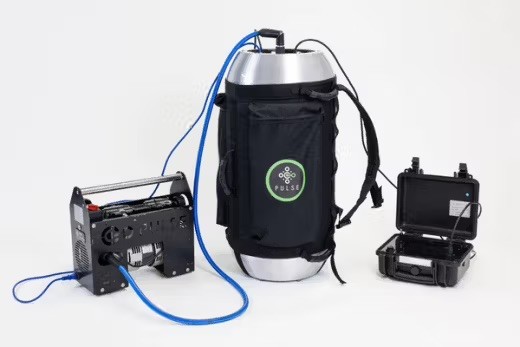
Airtightness testing measures how much air leaks through unintended gaps and cracks in your building using modern pulse testing technology. Unlike traditional blower door tests, our pulse method operates at low pressure (4-10 Pascals) making it non-intrusive and occupant-friendly.
Essential for PAS2035 retrofit compliance, airtightness testing determines whether additional managed ventilation is needed after insulation installation. Our professional testing ensures your property meets building regulations while maintaining healthy indoor air quality.
Why might you need airtightness testing?
Retrofit projects require airtightness testing to ensure compliance and proper ventilation. Signs you need professional testing include:
Planning retrofit work that requires PAS2035 compliance documentation
Installing insulation measures that could affect building air permeability
Building regulations compliance for new construction or major renovations
Ensuring optimal indoor air quality after airtightness improvements
Need to determine if additional ventilation systems are required post-retrofit
The benefits of professional airtightness testing
Our pulse testing method delivers accurate results with minimal disruption to your Yorkshire property and daily routine.
Non-intrusive testing with no need to seal doors or empty rooms
Occupant-friendly assessment completed while people remain in the building
Quick testing process taking just minutes with accurate, reliable results
PAS2035 compliance documentation for retrofit projects and building regulations
Realistic testing conditions at normal living pressures rather than artificial high pressure
Pre-Installation Assessment
Initial airtightness test conducted before retrofit measures are installed to establish baseline air permeability levels.
Pulse Testing Technology
Professional pulse unit placed inside building releases controlled air pulse, measuring pressure decay to calculate air leakage accurately.
Post-Installation Verification & Reporting
Follow-up test after retrofit completion with comprehensive report determining ventilation requirements and compliance status.






Rated 4.6 out of 5 on Google by our satisfied clients across the UK, and growing every month.
Fully accredited retrofit installer. Our work meets PAS2030 and TrustMark standards.
Every installation is covered by a third-party insurance-backed guarantee, giving you complete peace of mind.
We'll check your eligibility and provide expert guidance, with no hard sales and no hidden costs.
Areas we cover
Our teams work across the north of England, the Midlands, the East of England and Wales.
- North East
- North West
- Yorkshire and the Humber
- East Midlands
- West Midlands
- East of England
- Wales
Head offices in Beverley and Warrington
Not sure if we cover you? Ask about your areaPrefer to Call?
Mon-Fri 8am-6pm, Sat 9am-4pm
We respond within 2 hours
Head offices in Beverley and Warrington
Covering the North, the Midlands, the East of England and Wales
What Happens Next?
We'll call you within 24 hours to confirm your appointment
Free 30-minute home assessment at your convenience
Instant quote and booking for installation



How long does air tightness testing take?
Each test takes approximately one hour to complete. We typically conduct one test before retrofit work and one after completion.
Do we need to leave the house during testing?
No, our pulse testing method is occupant-friendly. You can remain in the house normally during the assessment process.
When is airtightness testing required?
Testing is required for PAS2035 retrofit projects, building regulations compliance, and when installing measures that may affect building air permeability.
Do you work for councils, housing associations and contractors?
Yes. We deliver air tightness testing for councils, housing associations and main contractors, from single properties to larger programmes.
Do you test before and after retrofit work?
Yes. We usually test once before measures are installed to set a baseline, and again after completion to confirm the result and whether extra ventilation is needed.
What areas do you cover?
We cover the North East, North West, Yorkshire and the Humber, the East and West Midlands, the East of England and Wales, from our head offices in Beverley and Warrington.